At the Battle of the Trench
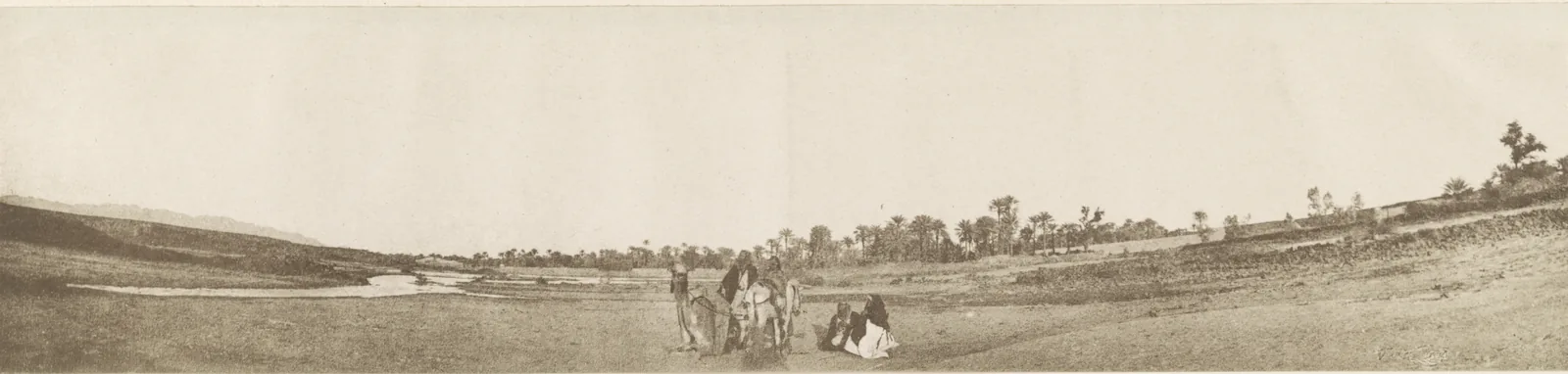
The cold bore down on the people of Medina and on the Companions, may God be pleased with them, and forces gathered around Yathrib of a size no one there had seen before: Quraysh, Ghatafan and those who followed them, some ten thousand fighters. A trench was dug around the city on the advice of Salman al-Farisi, and it stood between the attackers and any way in. But it did not lift the hunger from stomachs bound with stones, nor the cold from long nights. Then came the heavier news, and it came from inside the city itself: Banu Qurayza broke faith and tore up their treaty with the Prophet. The Muslims were exposed from behind, at the very place they had counted on, and the danger now came from both sides at once — from in front of the trench, and from behind the houses that held the women and the children. In that hour the Qur'anic description came down: ﴿When they came at you from above you and from below you, and when eyes turned aside and hearts rose to the throats, and you thought every kind of thought about God﴾.
Hearts in the Throat Is Not Collapse
The Qur'an did not hide this moment. It set it down as it was: hearts risen to the throats, eyes turned aside, thoughts in disorder. In another place it puts the cry "when will God's help come?" in the mouth of the Messenger and of those who believed with him, and not in the mouths of the weak of the ranks alone: ﴿until the Messenger and those who believed with him said: when will the help of God come? Truly the help of God is near﴾. The cry of "when" is not a break in certainty. It is the furthest that patience reaches at its own edge; and the answer comes back in the same kind as the question, and meets it at that same edge: near.
Here is the key to the matter. Faith does not mean that hardship will not fall. It means that its falling is itself a door, and that what lies past it is "near".
How the Relief Came
Relief came in a form that no war council had drawn up and no commander had planned. On a cold night a wind rose that turned over their cooking pots and pulled up their tents, and disagreement spread through the ranks of the Confederates until they broke apart: ﴿O you who believe, remember the favour of God upon you when armies came against you, and We sent against them a wind, and armies you did not see﴾. Even so, the victory was not left hanging in the air. It ran along a cause that men had paid for: a trench that was dug, steadiness through the long nights, and a stratagem the writers of the sira relate, when Nuʿaym b. Masʿud went back and forth between Quraysh and Qurayza until he had planted doubt between them. Victory is from God alone, but God brought it about through hands that worked.
This is the balance that the anxious man and the comfortably heedless man both get wrong: one forgets that the promise belongs to God, the other forgets that taking the means is our part. ﴿If you help God, He will help you and make your feet firm﴾. The verse is not a charm that spares you the work; it is a reassurance that sends you to it. I set out at length where trust in God ends and taking the means begins in "The Art of Managing Risk".
From the Trench to a Passing Thought
These meanings came to me while I was reading in the news about people's fear, and their unease at a plot being laid in secret against our country. What the Trench taught is that the gathering of schemers in secret does not fall outside a grip wider than they are: ﴿They laid their plot, and their plot lies with God﴾, ﴿They plot, and God plots, and God is the best of plotters﴾. This does not mean that the believer feels safe and sits still. It means that he works with a settled heart: he takes care without panic, and he strives without despair. ﴿And God prevails in His purpose, but most people do not know﴾: the prevailing of a plan that runs ahead of human understanding and past it, so that what reads on its surface as an ordeal may, in the inward truth of the matter, be the road to relief.
The Balance of Revelation
The verses come together on one meaning: that hardship is a passage and not a dwelling, and that victory is near, but conditioned, and owned by God. ﴿There the believers were tested, and shaken with a severe shaking﴾ describes the bottom, and ﴿Truly the help of God is near﴾ describes what comes after it, and ﴿God turned back those who disbelieved in their rage, and they gained no good, and God spared the believers the fighting﴾ describes how the scene was folded away. And the dividing line stands where it stood: the promise is God's and from God, and paying out the means is ours.
Back to the Trench
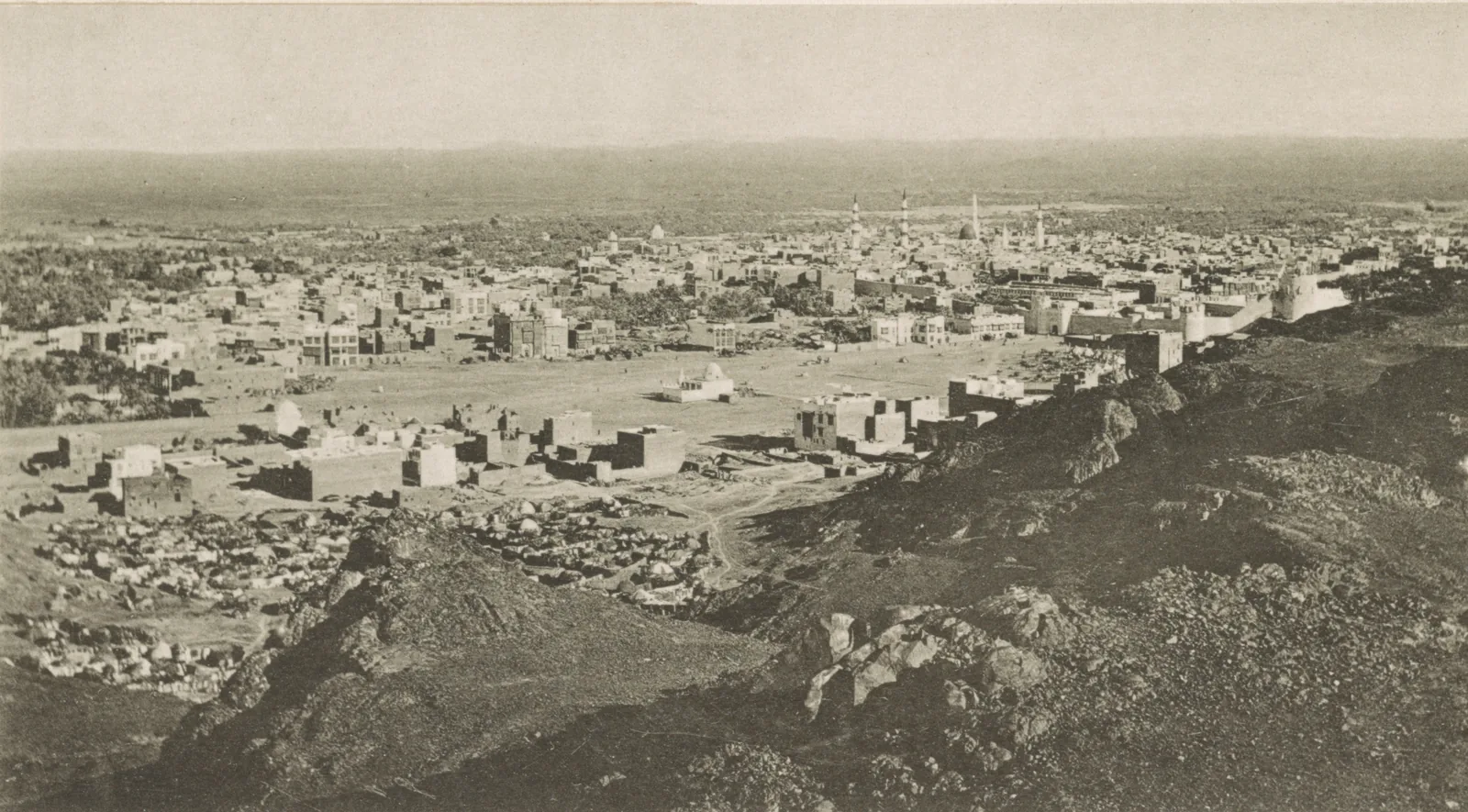
On one of the last nights of the siege the Prophet sent Hudhayfa b. al-Yaman to feel out the news of the enemy. He slipped into their camp and found the wind playing havoc with them and Abu Sufyan giving the order to move out. Morning broke over Medina, and the host had scattered without a decisive battle. Hearts had risen to the throats the day before; then relief came near, as it had been promised — not in the form people had waited for, but in a form that knew more and reached further.
Then consider the verse in whose shade this reflection came. ﴿And God prevails in His purpose, but most people do not know﴾. It came down at the darkest moment in the story of Yusuf, when he had been sold as a boy and driven off to Egypt, at the hour when the tale looked like nothing but loss; and exactly there came the closing line: that what looks on the surface like an ordeal is, in the inward working of the plan, a road to kingship. A prevailing that is not the prevailing of force alone, but the prevailing of a plan that runs ahead of human understanding and past it. That is why the qualification follows — "but most people do not know" — not because the knowledge is out of reach, but because grasping ends from behind their causes is further off than a hurried look can get. Whoever has seen the Trench and seen Yusuf no longer measures things by how they look in their hour.
May God protect our country from every evil and turn the plots of the wicked back on them.
Further Reading
- 1. Surat al-Ahzab, verses 9–27, with its commentary in the Tafsir of al-Tabari and the Tafsir of Ibn Kathir.
- 2. Sahih al-Bukhari and Muslim, the hadiths of the Battle of the Trench, and the hadith of Hudhayfa b. al-Yaman on the night of the Confederates (Muslim).
- 3. the Sira of Ibn Hisham, the account of Nuʿaym b. Masʿud and how he divided Quraysh from Qurayza.
This is a translation of an essay written in Arabic. Quotations from the Qurʾān are rendered for sense; the Arabic page carries them in the original.
© 2026 Husain Alkhaldy — published in the site's essays.